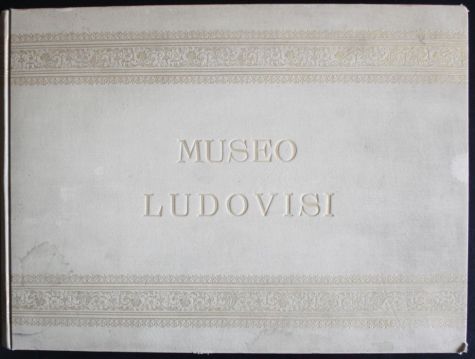
The Boncompagni Ludovisi family’s own photographic album (late 1880s-early 1890s) of their sculptural collection. Collection of HSH Prince Nicolò and HSH Princess Rita Boncompagni Ludovisi, Rome.
In January 1858, after four years of service as US Consul in Liverpool, American writer Nathaniel Hawthorne (1804-1864) came to Rome with his wife and three children. He spent almost a year and a half in Italy, into May 1859, with visits to Siena and Florence. In his journals he recorded from what was essentially a tourist’s vantage point many exquisitely detailed impressions of the country and its cultural riches. The chief literary expression of this Italian experience was Hawthorne’s 1860 work The Marble Faun, the last of his four great romances, which he mostly wrote after leaving the Continent for England.
The journals include Hawthorne’s account of a family visit to the Villa Ludovisi (quoted in full below), on 26 March 1858, some two months after their arrival in Rome. Here one can sense early glimpses of a melancholic view of the Eternal City that soon became much more pronounced after his eldest daughter, Una, then aged about 18, suffered a serious attack of the notorious strain of malaria known as “Roman fever”. [Read more…]
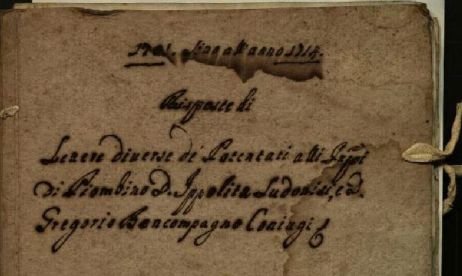
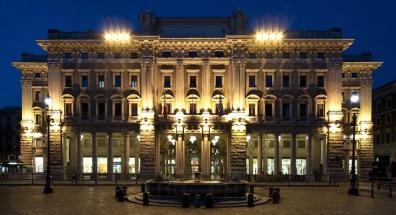
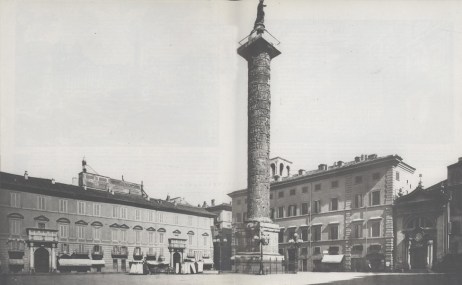


 Archivio Digitale Boncompagni Ludovisi