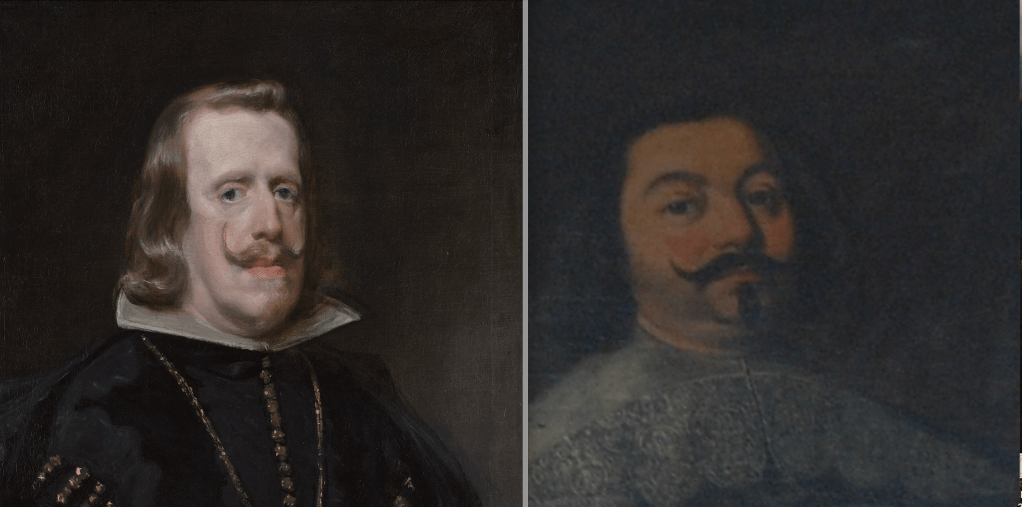
NEW from 1660: Philip IV of Spain instructs Niccolò Ludovisi on the defense of Aragon (Part II)

By Elif Cam (Princeton High School ’26)

Here I continue Part I of this post, in which I described and translated a previously unpublished 15-page letter that King Philip IV of Spain (reigned 1621-1665) wrote at Madrid on 24 August 1660 to the Prince of Piombino, Niccolò Ludovisi (1613-1664). The Spanish king had appointed Niccolò as Captain General of Aragon in 1659, and its Viceroy in 1660.

The letter is a lengthy directive on the management of fortifications on Spain’s Pyrenees border with France following the conclusion of the Franco-Spanish War (1635-1659). In this part, I analyze Philip’s letter in greater detail, discussing some of the principal events referenced, as well as five select aspects of the many issues that arise in this document: post-war border control, meritocracy in the Spanish army, restrictions on conscriptions of Aragonese locals, the provisioning of food for the military forces, and the scope of the legal powers of the Captain General in Aragon. I conclude with another unpublished document bearing on the career of Niccolò Ludovisi, Philip IV’s 1657 letter to the Prince informing him of his induction into the Order of the Golden Fleece. Sources for my discussion can be found at the end of this post.
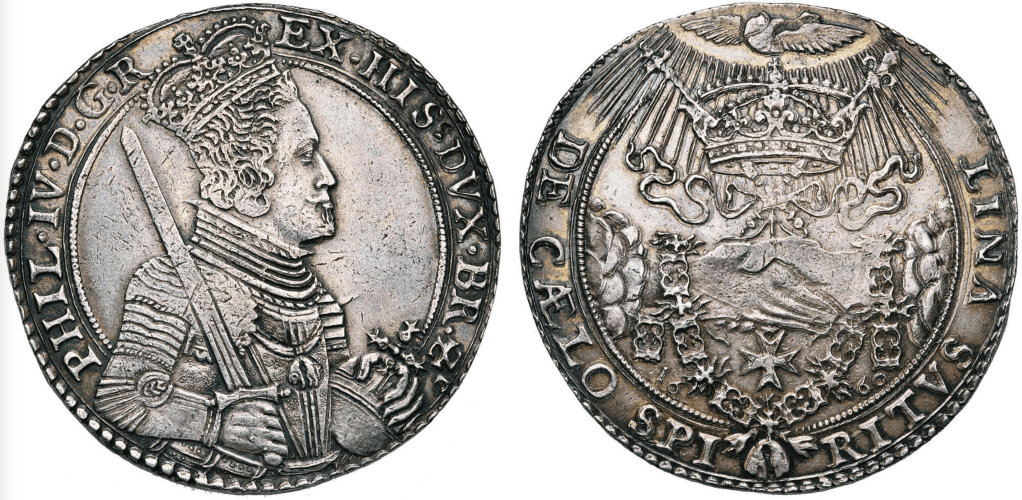
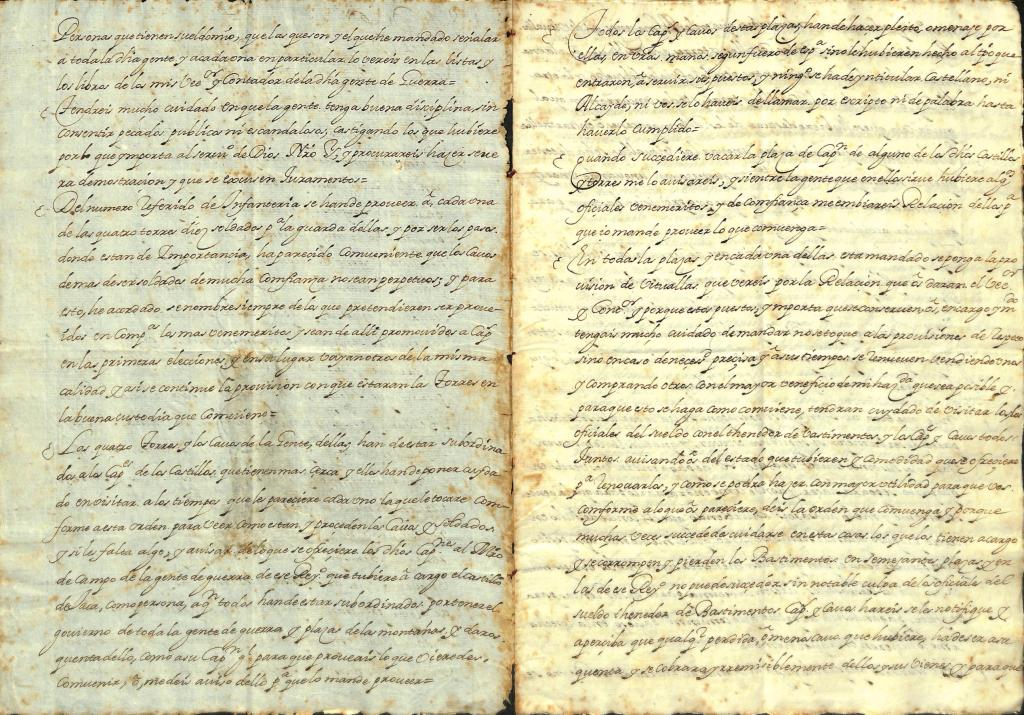
King Philip IV begins the 1660 letter (page 1) by recounting to Niccolò the unrest against the Inquisition in the Kingdom of Aragon, expressly mentioning the dates 24 May and 24 September 1591, as well as an incursion through the mountains of Jaca in 1592. It comes as a surprise to see the king start by citing precedents from several generations previous; it seems important to understand why he thought this historical introduction was relevant.

The events of 1591—also known as the Alterations of Aragon or the Aragonese Rebellion of 1591—were riots against the Spanish Inquisition and its supporters. The unrest stemmed from around a century of tension resulting from the Spanish Crown’s attempts to exercise control over Aragon, especially through the Inquisition.
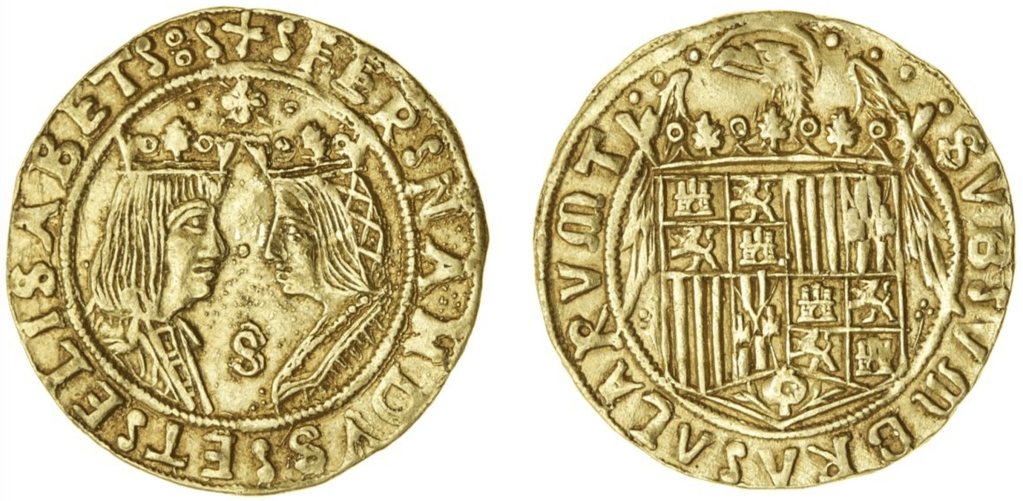
The union of the Crown of Aragon and the Crown of Castile had effectively came about in 1479 with the accession of Ferdinand II to the throne of Aragon, who had married Isabella I of Castile ten years earlier, and ruled over Castile with her since 1475. Though Castile and Aragon were legally separate—and would remain so until 1716—Ferdinand and Isabella were the first to be regarded as king and queen of a dynastically unified Spain.

It was also in 1479 that the Spanish Inquisition was established in Aragon. Although that Kingdom had previously had an Inquisition in the Medieval era, this new institution differed significantly, as the royalty of Aragon had very little control over it (Haliczer, 2018). Bishops held power to suppress heresy and heretics in their courts, and inquisitors were appointed directly by the Pope. Indeed, a landmark papal bull of 1478 issued by Sixtus IV della Rovere gave Castilian sovereigns full power to name inquisitors who would have the same powers and jurisdiction as the bishops and papal inquisitors. King Ferdinand started to use the Castilian-based Inquisition to exert significant control over the Kingdom of Aragon. This led the new institution to be met with violent resistance in Aragon, particularly in the city of Teruel, leading Ferdinand to enforce power through threats of armed action (Haliczer, 2018).
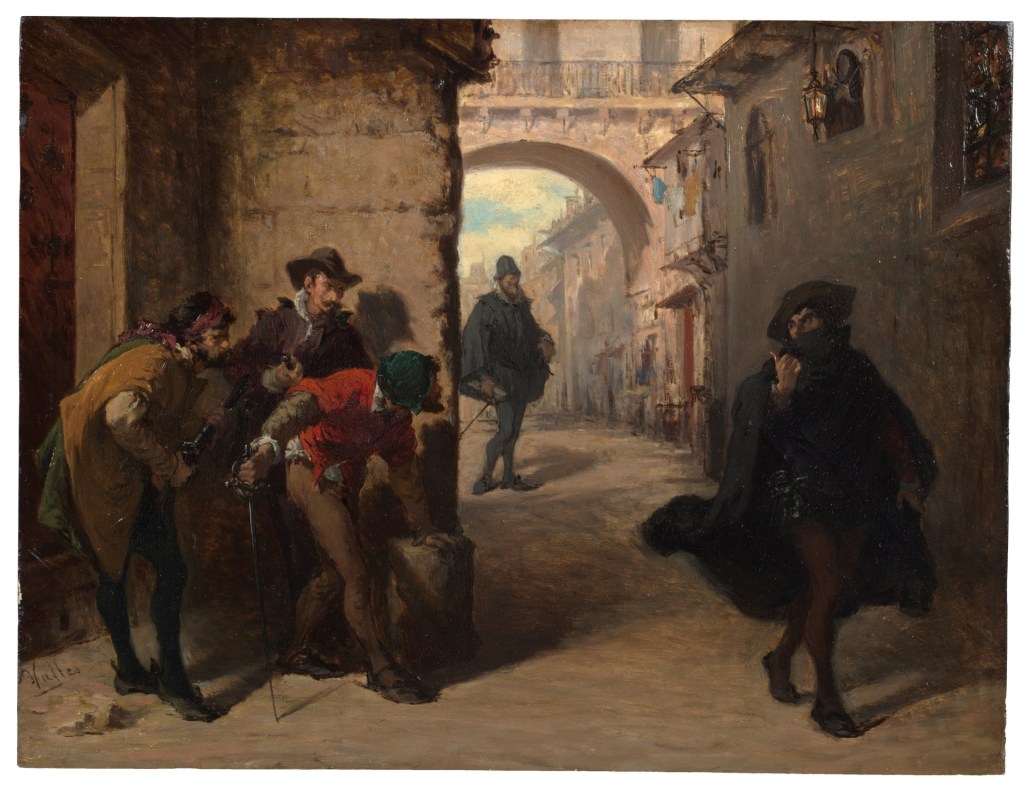
This tension between the Kingdom of Aragon and the Spanish crown over the Inquisition continued all through the sixteenth century, reaching a high point in 1590. In that year Antonio Pérez—former secretary to Philip II (king of Spain 1556-1598), who had been accused of the murder of Juan de Escobedo (1530-1578) and of conspiring against the king—fled from his Castilian prison and came to Aragon in hope of legal protection (Pérez, 2006). Philip II, realizing his former secretary would not be condemned by the Aragonese courts of justice, resorted to the Inquisition, the only institution whose power could prevail over the guarantees granted by the Aragonese laws.

Pérez was accused of heresy and handed over to the Holy Office, but was returned to the jurisdiction of the Aragonese Chief of Justice after a major riot against the Inquisition broke out on 24 May 1591. During the period from May to September of 1591, more members of the lower strata of the Aragonese society became deeply involved in the rebellion, and the insurrection became increasingly more radical (Pérez, 2006).

On 24 September 1591, some Aragonese nobles, fearing the growing social unrest and the reaction of the Spanish monarchy, attempted to transfer Pérez back to the Holy Office of the Inquisition. This attempt to turn the prisoner in terminated with a second riot, which was much more violent than the first one and resulted in over a dozen casualties., leading Philip II to conduct a military occupation of Aragon that continued until September of 1593. After the initial rebellions, Antonio Pérez and some of his Aragonese supporters escaped to France, where they worked with Catherine of Bourbon— the sister of Henry IV (king of France 1589-1610)—to plan a military expedition across the Pyrenees into Aragon to rouse the Aragonese to revolt against Spanish military occupation (Pérez, 2004). Called “Jornada de los bearneses”, or the Béarnese expedition, this is the 1592 incursion King Philip IV refers to in his letter.

So Philip IV cited these past incursions in Aragon and specifically the attack on the Pyrenees border to show Niccolò the need for rigorous maintenance of the garrisons in this region, despite the recent conclusion of a long war with France. The king here also prepares for a major theme of this letter, his emphasis on ensuring good civil/military relations in the area.
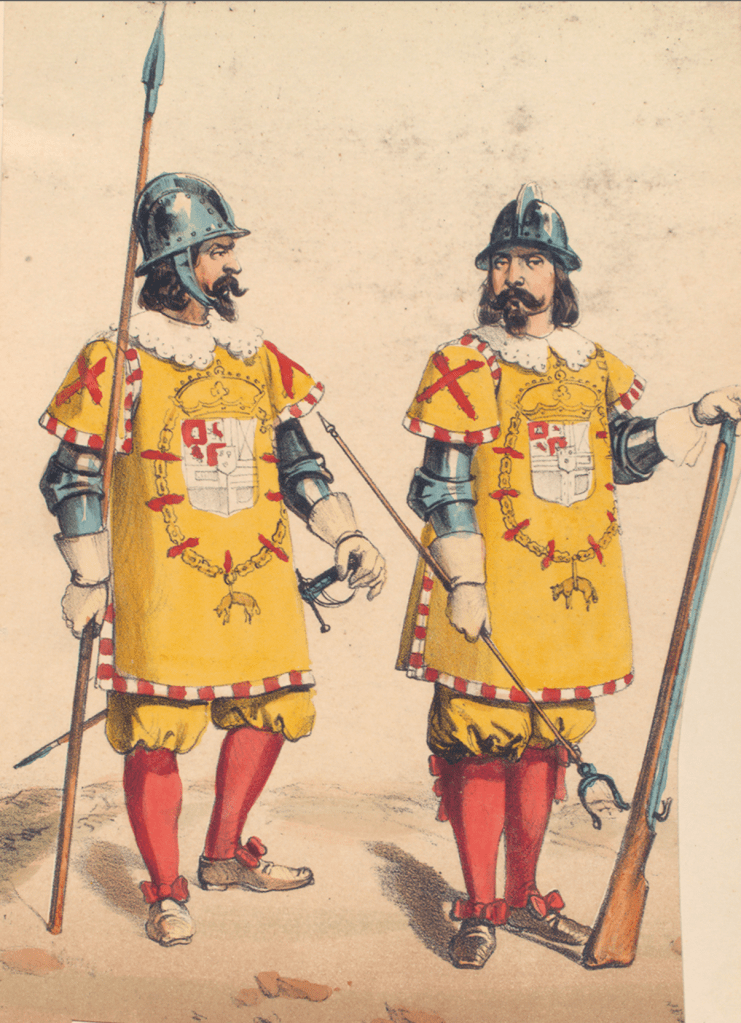
Next in his directive (still on page 1), Philip IV transitions to the management of the army. He emphasizes the importance of meritocracy, saying that among those seeking posts, “the most deserving and reputable shall be appointed and from there promoted to captains in the next elections. Others of equal merit shall replace them, ensuring continued and reliable tower defense.”

Spain’s large and fragmented military needed professional management, and so king Philip IV promoted meritocracy in his armies to ensure efficiency over simply giving positions to nobility (Picouet 184). In the 1500s, a rigorous system of training and promoting officers had been devised to help maintain the authority of the Spanish kings in the armed forces throughout the empire. A person in the army would start from low ranks as a soldier, and move onto sergeant, ensign (alférez), and captain after a minimum 10 years of service. If they performed well, they could even be nominated to Maestro de Campo (Picouet 183).

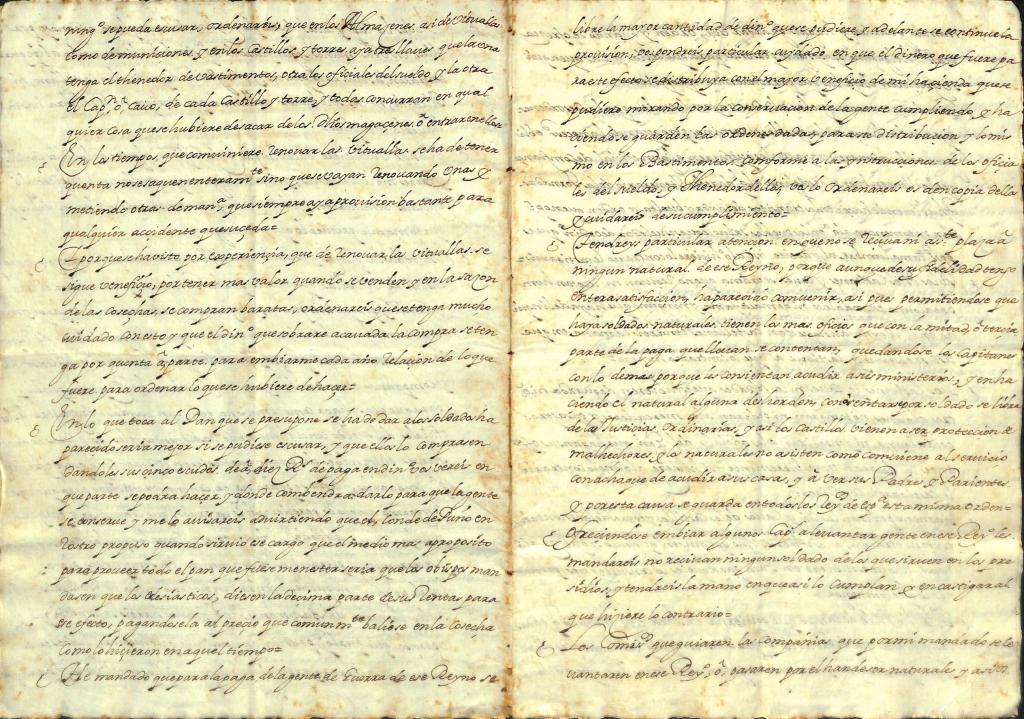
To further ensure professionalism, Philip in his letter (page 5) requests that no natives of Aragon be appointed to garrisons, even though he has “complete confidence in their loyalty”. He explains that “when native soldiers are allowed, they often hold additional jobs and are content with half or a third of the standard pay, allowing the captains to retain the rest in exchange for letting them pursue their occupations” and that “all the kings of Spain have maintained this same rule”.

This meant that Niccolò Ludovisi would need to look elsewhere to enlist soldiers, and recruitment would likely not be easy. In the 1630s, to fill the quota of new recruits for Spain’s armies, local authorities and city councils enlisted all men considered as useless for their communities, even if it was against their will (Picouet 191). This compulsory recruitment system had to be repeated year after year in the 1640s-1650s, leading many recruits to desert and the system to become very unpopular in Spanish society (Picouet 191). In the early 1660s, the unpopularity of recruitment would be something Niccolò Ludovisi would have to deal with as he tried to man his garrisons, especially following the end of the Franco-Spanish War in 1659, since soldiers no longer had an immediate reason to serve.
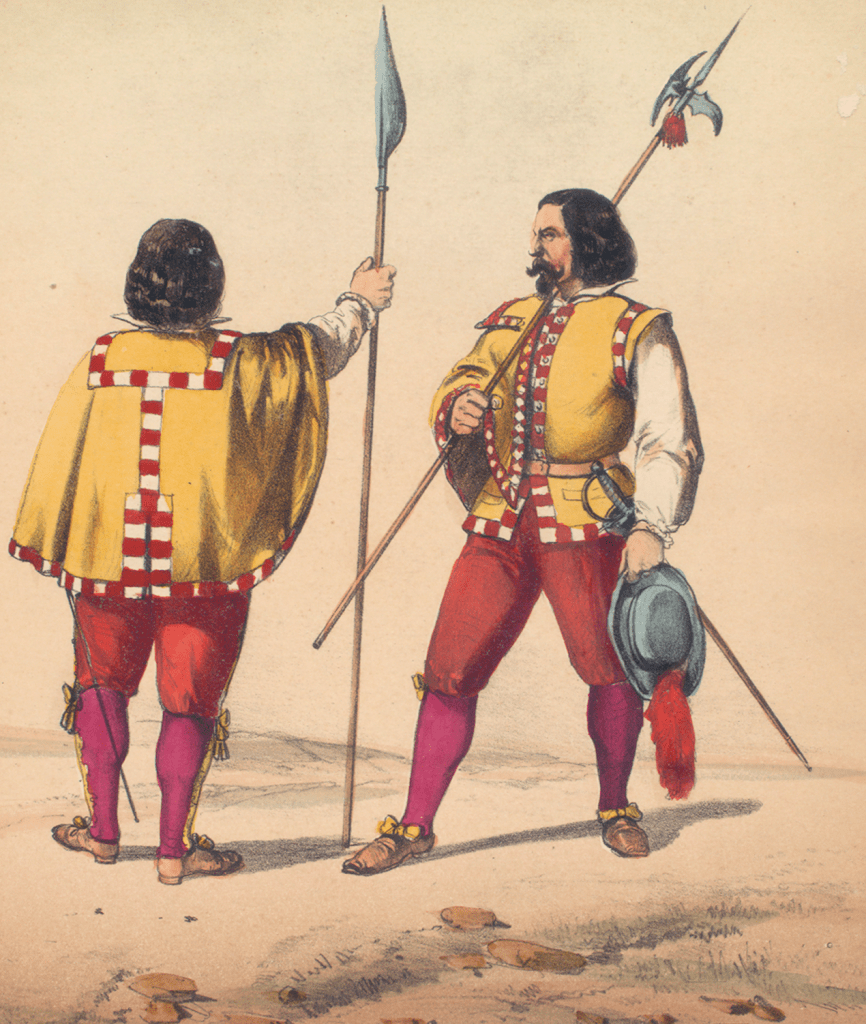
In discussing the management of the garrisons, Philip IV writes about obtaining and renewing food supplies, saying (page 4) that “for the bread that is generally presumed to be provided to the soldiers, it has seemed better, if it can be avoided, that they buy it themselves, receiving five escudos in coin (at ten reales per escudo) as part of their pay. You will determine in which locations this can be done and where it would be suitable, to keep the troops satisfied, and you will inform me.”

Historically, since the administration of the Spanish empire could not provide the enormous quantity of supply needed by the armies, a system of using private suppliers was established by the end of the 1500s, and later introduced to all Spanish troops (Picouet 195). Local military authorities would sign a contract with a victualler to deliver “ammunition bread” to all army personnel. The contract established the price of bread by pounds; there the military authorities stipulated how much would be delivered and to where.

For the victuallers, profit depended on the price of bread: the figure frequently fluctuated, likely leading them to raise prices. While this kind of bulk purchasing system surely made the distribution of the bread easier, it was likely costly—ammunition bread made up 25.8% of the army’s spending in 1663 (Picouet 195). That could be the main reason why Philip advises giving individual soldiers a bread stipend with which they can buy the bread themselves rather than paying private suppliers. Soldiers purchasing their own bread from independent sources also likely increased the quality of the bread, by creating almost a free market rather than buying bulk from a sole supplier. Soldiers could go for the best they could get with the money they received, ensuring competition among sellers.
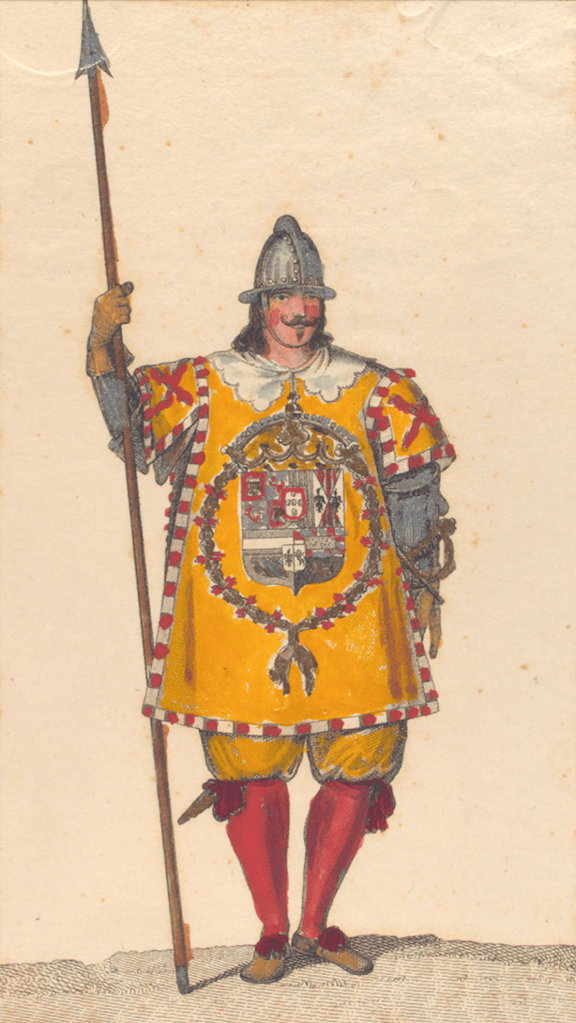
Finally, questions of jurisdiction. At the time of the reign of Philip IV, the defense of the Spanish land in the Iberian peninsula was divided into various territories, or “General Captaincies”, each with a direct representative of the king called the Captain General and/or viceroy (Picouet 122). This Captain General was in command of all the military structures in their certain territory, as well as in charge of the general governance of the area.

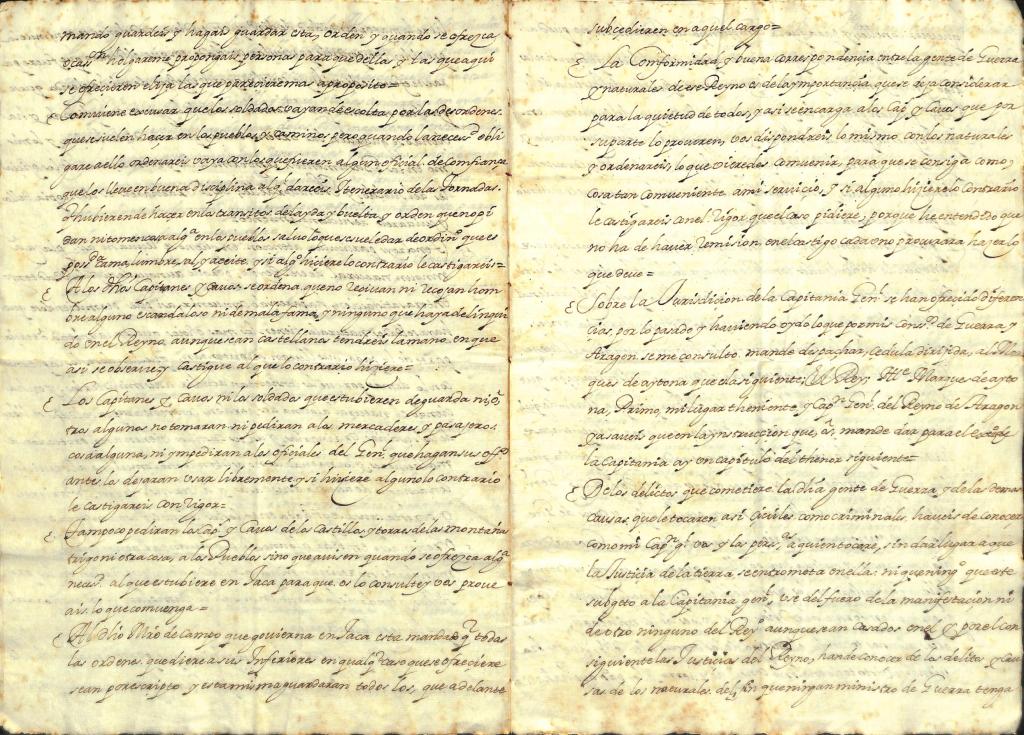
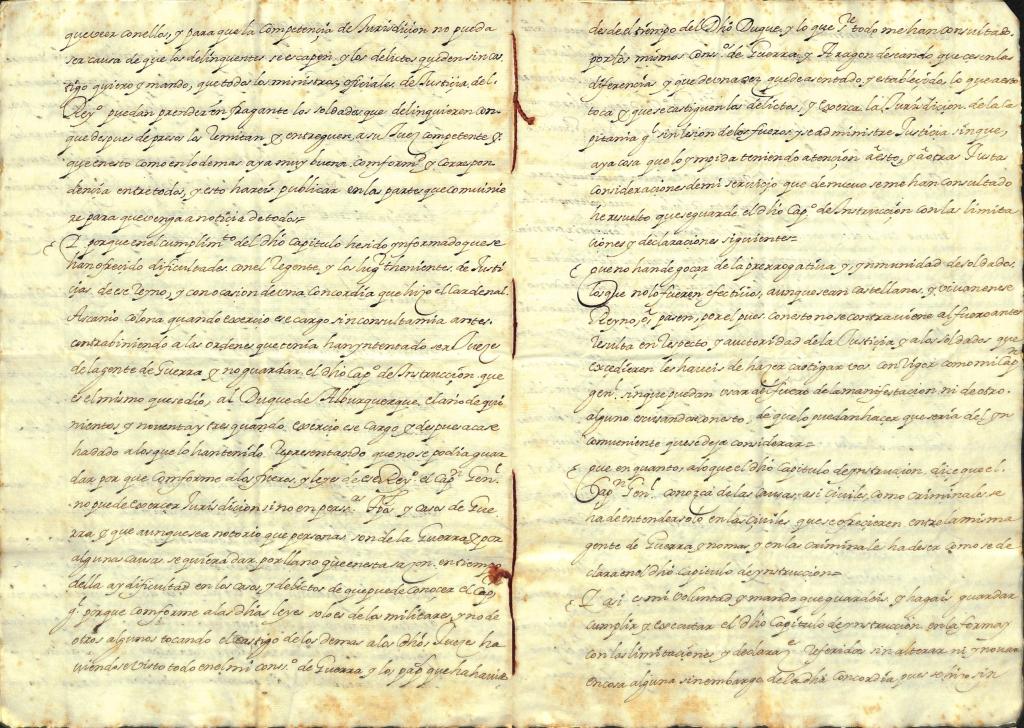
In his letter to Niccolò Ludovisi in his capacity as the Captain General of the Kingdom of Aragon, King Philip IV outlines various historical disputes in the Kingdom of Aragon relating to the authority of that military office. He writes (page 7) that “I ordered a decree to be issued to the Marquis of Aytona”, who also served as Captain General of Aragon, which clarifies the matter. The long decree (pages 7-10) the king cites however dates to 1611, and was issued rather by his father Philip III, who reigned 1598-1621, to Miguel de Moncada y de Moncada (1558–1626), the 3rd Marquis of Aytona. By 1660, there had been three additional Marquises of Aytona; we shall meet the 6th Marquis below.

In the decree of 1611, Philip III told the 3rd Marquis of Aytona that, as Captain General, he shall have jurisdiction over all crimes committed by the military and over any related civil or criminal causes involving military personnel —but not to others. Henceforth (page 9) “soldiers who commit excesses must be punished strictly by the Captain General, without being able to claim the privilege of manifestación or any other immunity”. Here manifestación refers to the Aragonese privilege of legal protection against arbitrary detention, a right akin to habeas corpus.

Evidently there had been disputes about the extent of a Captain General’s jurisdiction. Philip III notes (page 8) that when the Duke of Alburquerque held that post in 1593—the reference is to Beltrán III de la Cueva y Castilla (ca. 1550–1612)—it was argued that the Captain General could not exercise jurisdiction except in times of war or serious disorder according to Aragonese laws. Even if individuals involved in the case were in the military, the king continues, it was difficult during peacetime to prosecute crimes or cases over which the Captain General had jurisdiction. Since local laws restricted his power to military matters alone, matters concerning others were claimed to remain with the civil judges.
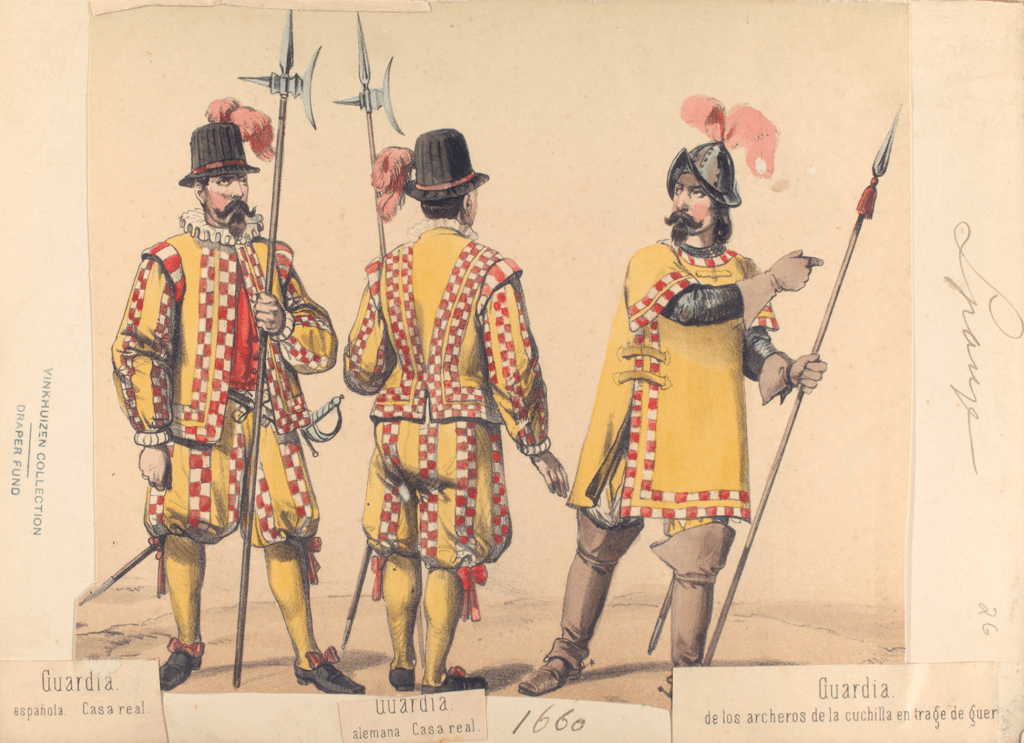
Military justice in the Spanish Empire depended on two juridical instances. At the high level, a Maestro de Campo General was supported by an Auditor General to deliver justice on cases concerned with crimes against the army or affairs between soldiers of different units. At a lower level, military justice was applied by the Maestro de Campo of the tercio (= a Spanish infantry formation of the 16th and 17th centuries) with cases being brought to the higher level if officers, captains, or noblemen were involved. The military legal framework was called “military privilege” indicating that a soldier could only be judged by a military tribunal (Picouet 198). This meant that when civilians and soldiers were both involved, there would be a compromise between two legal jurisdictions. But sentences against soldiers could be decided by military jurisdiction (Picouet 199).

So Philip IV in citing his father’s 1611 letter tries to clarify the matter of military jurisdiction for Prince Niccolò, giving also the context of debates that occurred in the past in the Kingdom of Aragon. The reason why the king treats the matter at such length is that Niccolò will be a Captain General during peacetime and his jurisdiction might be disputed.
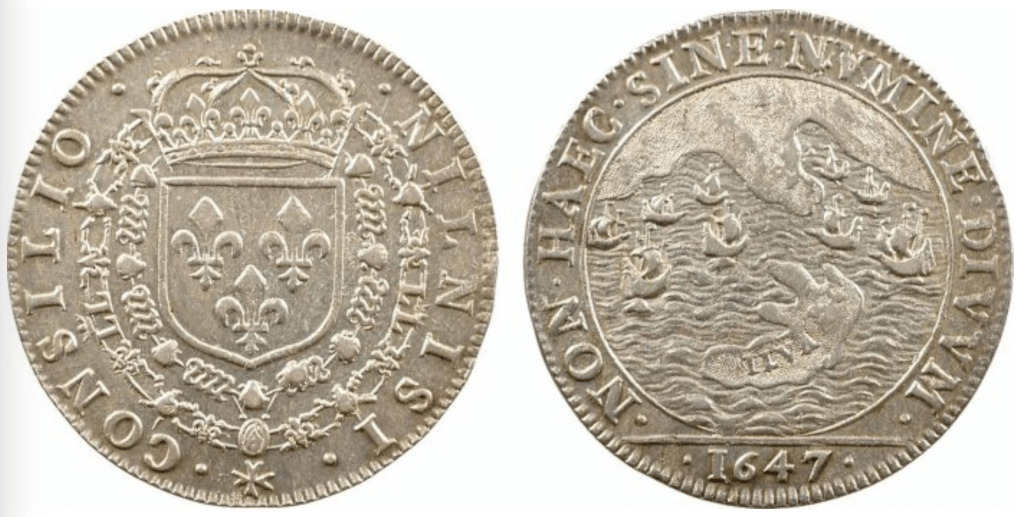
An epilogue. Niccolò Ludovisi had a long history with the Spanish Crown, which had confirmed him as Prince of Piombino (after a massive payment in cash and kind) in 1634. The Prince sent troops at his own expense to help Spain when the French launched a (successful) naval expedition against Porto Longone on Elba in June 1646. He also supported the Spanish response to the Neapolitan ‘Masaniello’ revolution of July 1647, by offering financial and military aid to Philip IV’s son, the 18 year old Don John of Austria, sent to restore order in the city. Niccolò remained loyal despite French attempts to draw him away from the Spanish faction in Rome (Brunelli, 2006).

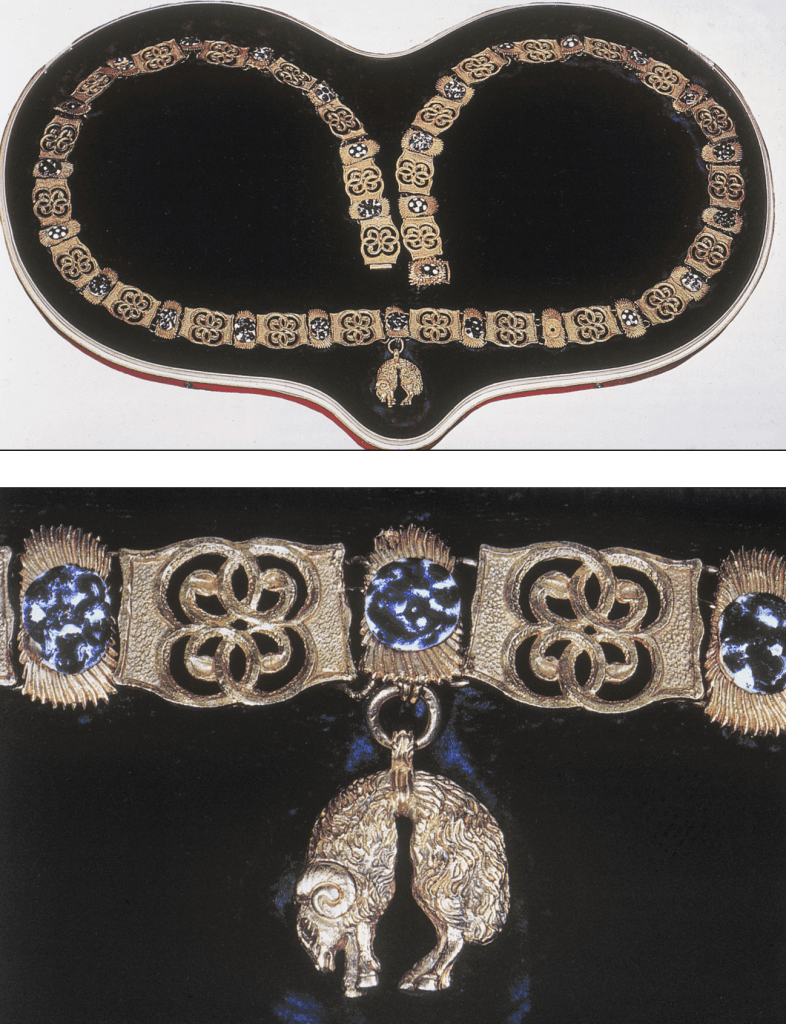
For his longtime loyalty to the Spanish empire, on 26 March 1657, Philip IV provided that Niccolò Ludovisi be inducted into the Order of the Golden Fleece. This was a Roman Catholic order of chivalry dating back to 1430, and was counted as one of the highest honors the Spanish monarch could bestow. Niccolò was the first member of the Ludovisi (or equally pro-Spain Boncompagni) family to receive this honor. Only four were inducted in all: Niccolò Ludovisi (in 1657) and his son Giambattista Ludovisi (1670) as Princes of Piombino; Antonio Boncompagni (1702) as Duke of Sora (for his ceremonuy of induction see here), and his son Gaetano Boncompagni Ludovisi (1736) as Prince of Piombino.

Though the fact of Niccolò’s induction into the Order is perfectly known, the document (written in French, reflecting the honor’s Burgundian roots), found in the private Boncompagni Ludovisi archive in the Casino dell’Aurora, is unpublished. The king’s letter reveals an important point: that Niccolò received the Golden Fleece collar not in Madrid but in Naples, from the then-acting Gran Conestable of that city, Guillén Ramón de Moncada y Moncada (d. 1670), 6th Marquis of Aytona, a major Spanish nobleman and statesman. The head of the house of Moncada, he had served as Viceroy of Sardinia (1644–1649), Viceroy of Valencia (1652–1656), and remained influential in Madrid as a counselor of Philip IV. Below is an image of the letter and its translation:
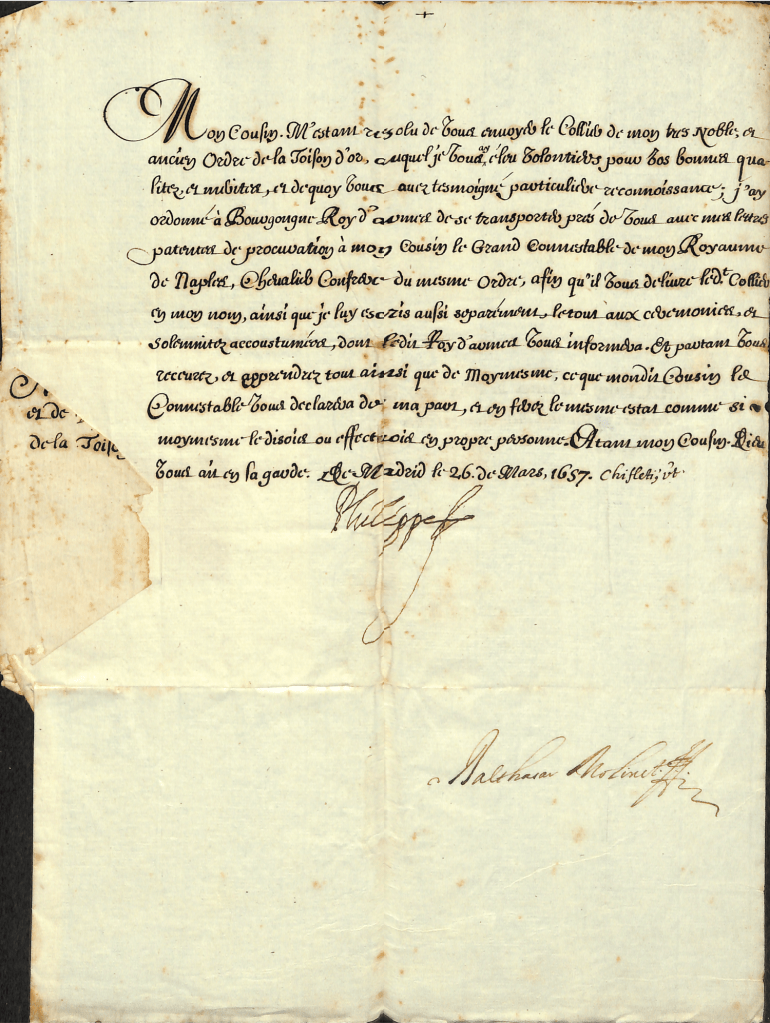
“My Cousin [a traditional formal greeting among European sovereigns], Having resolved to send you the Collar of my most noble and ancient Order of the Golden Fleece, to which I very willingly admit you on account of your good qualities and merits—of which you have shown particular understanding—I have ordered the King of Arms of Burgundy to travel to you with my letters patent of procuration to my cousin the Grand Constable of my Kingdom of Naples, Heraldic Counselor of the same Order, so that he may deliver to you the said Collar in my name, as is prescribed to him separately, according to the customary ceremonies and solemnities, of which the said King of Arms will inform you. Therefore, you shall receive and accept all as if it came from myself, what my said cousin the Constable shall declare to you on my behalf, and you shall believe and regard it as though I myself were saying or doing it in person.

With that, my Cousin, may God keep you in His care.
Written at Madrid, the 26th of March, 1657.”
Sources:

Brunelli, Giampiero. “LUDOVISI, Niccolò.” Dizionario Biografico degli Italiani, vol. 66, Treccani, 2006.

Haliczer, Stephen. Inquisition and Society in the Kingdom of Valencia, 1478-1834. University of California Press, 2018.

Picouet, Pierre. The Armies of Philip IV of Spain 1621-1665: The Fight for European Supremacy. Helion, 2019.

Pérez, Jesús Gascón. “La «Jornada De Los Bearneses», Epílogo De La Resistencia Aragonesa Contra Felipe II.” Bulletin Hispanique, [Vol. 106], N.º 2 (2004), pp. 471-496.

Pérez, Jesús Gascón. “The Aragonese Rebellion of 1591.” In Immanuel Ness (ed.), The International Encyclopedia of Revolution and Protest. 1500 to the Present, Oxford, Blackwell, 2006.

Elif Cam is a rising senior at Princeton High School participating in the internship program at the Archivio Digitale Boncompagni Ludovisi. She is interested in environmental policy, history, and composing music. She is extremely grateful for the guidance of Dr. T. Corey Brennan, for getting the opportunity to work with fascinating and previously unpublished sources in the archive generously shared by HSH Princess Rita Boncompagni Ludovisi, and for being able to get to know King Philip IV and Niccolò Ludovisi over this journey!

NEW from 1660: Philip IV of Spain instructs Niccolò Ludovisi on the defense of Aragon (Part I)

By Elif Cam (Princeton High School ’26)

Among the many remarkable documents in the archive of the Boncompagni Ludovisi family at the Casino dell’Aurora in Rome, there is a particularly substantive letter from King Philip IV of Spain (born 1605, reigned 1621-1665, also king of Portugal until 1640) to Niccolò Ludovisi (1613-1664, Prince of Piombino from 1634). It is found in the large collection of “Letters of Sovereigns” which have no archival markings or numbering.

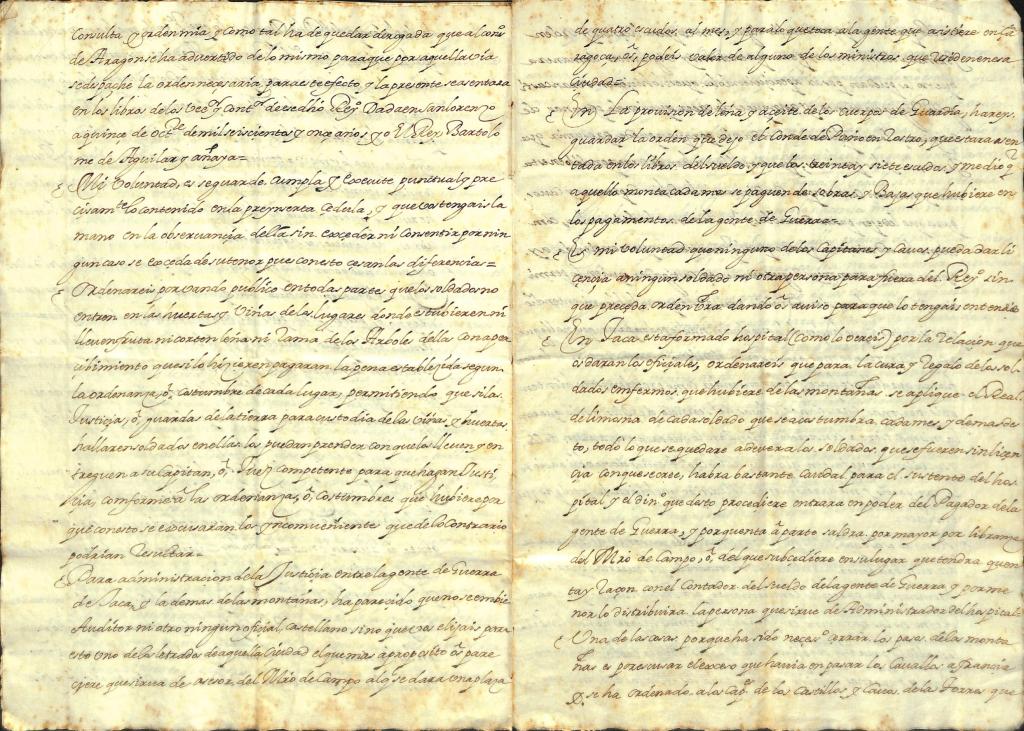
The king’s letter, sent from Madrid and dated 24 August 1660, addresses Niccolò as the Captain General of Aragon and details his responsibilities in the management of fortifications on the Pyrenees border with France after the end of the long Franco-Spanish War (1635-1659), much of which was fought concurrently with the Thirty Years’ War (1618-1648). The letter, countersigned by Philip’s secretary of state Gregorio de Tapia y Salcedo (1617-1671), was received and copied at Zaragoza, the administrative capital of Aragon, on 14 September 1660. For the text of this letter, see below; for an analysis, see Part II of this study.

Born in Bologna to Orazio Ludovisi and Lavinia Albergati in 1613, Niccolò Ludovisi was the first Prince of Piombino from the Ludovisi family. He was also nephew of Pope Gregory XV (reigned 1621-1623) and brother of Cardinal Ludovico Ludovisi (1595-1621-1632), and thanks to these connections received many of his early positions like governor of the Borgo district and castellan of Castel Sant’Angelo.

Staying loyal to the Spanish Crown for decades, Niccolò was awarded the Order of the Golden Fleece—Spain’s highest honor—in 1657. He held many important positions for Spain, becoming the captain general of Aragon in 1659 as well as its Spanish viceroy from 1660 to 1662, where he aided in demobilization and prepared for the planned reconquest of Portugal. Niccolò in 1662 became the viceroy of Sardinia, a position he held until his death in Cagliari on 25 December 1664.

Written after the Treaty of the Pyrenees (concluded 7 November 1659), this letter reveals that the agreement served more as a ceasefire than a real treaty of peace, and that garrisons and troops on the border were maintained rigorously following the official end of the war. In the document, King Philip IV details management instructions for Prince Niccolò, citing old precedents and previous decrees to settle disputes about authority and jurisdiction. The king provides extensive geographical and logistical details, giving the exact names of many fortifications and garrisons, the extent to which they should be manned, how supplies and food for soldiers should be acquired, and how civil and military court cases must be handled.

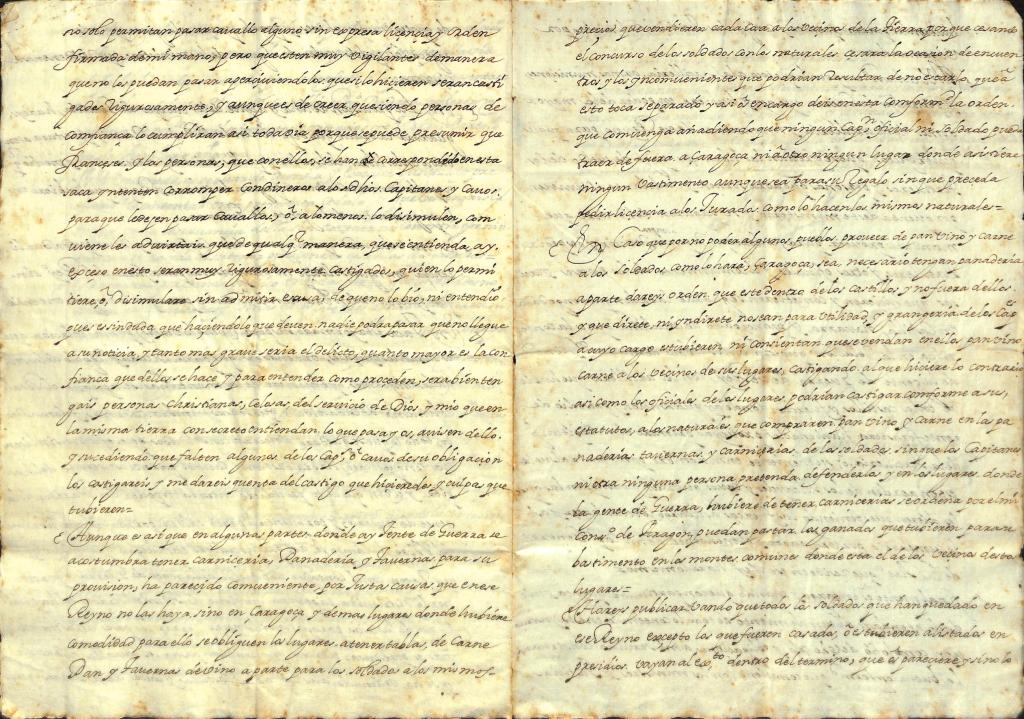
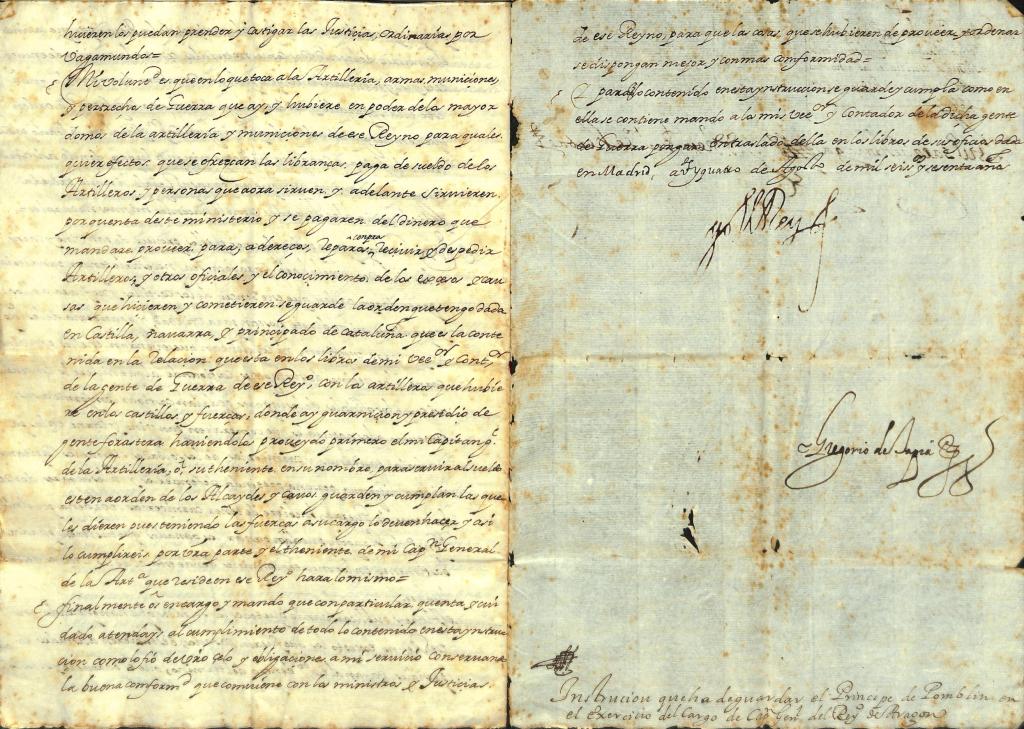
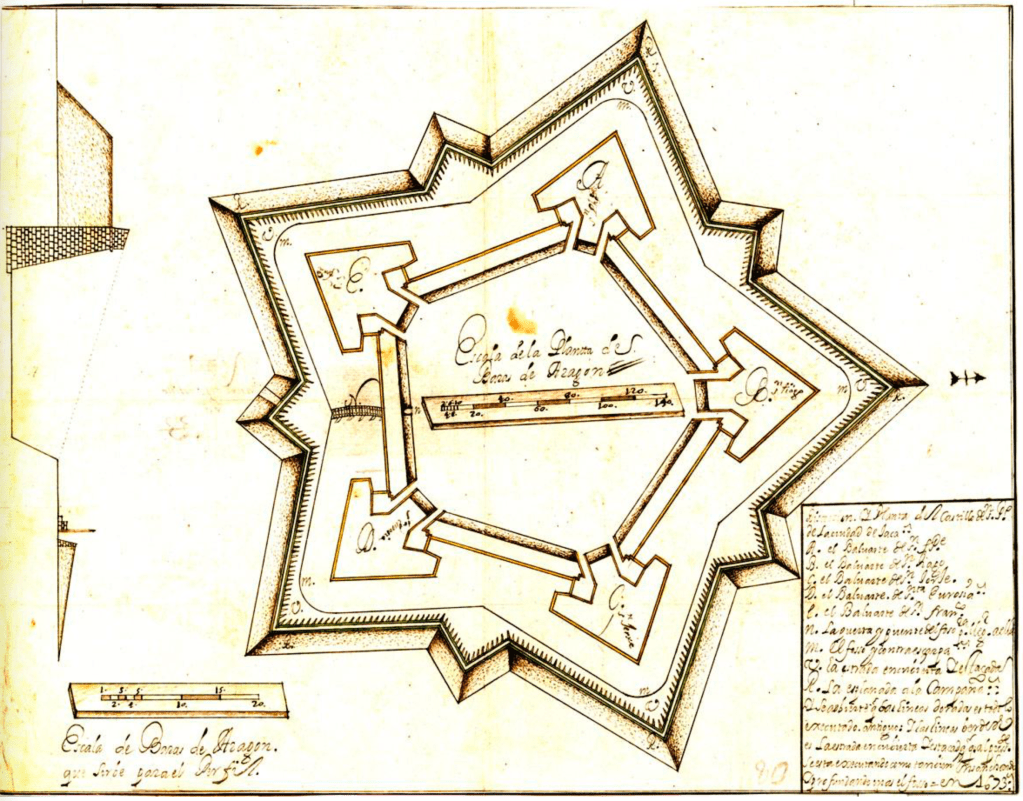
The letter, with a page by page translation, can be found below. In the second part of this article, I will offer an analysis of some of its contents. All images are courtesy of HSH Princess Rita Boncompagni Ludovisi, Rome.
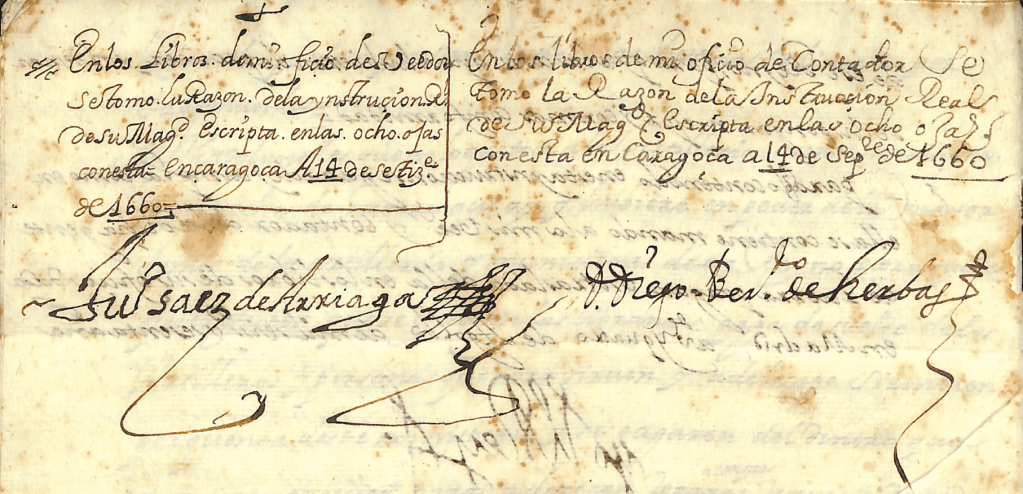
[on page 15 of the document below] Instruction to be observed by the Prince of Piombino in the exercise of the office of Captain General of the Kingdom of Aragon

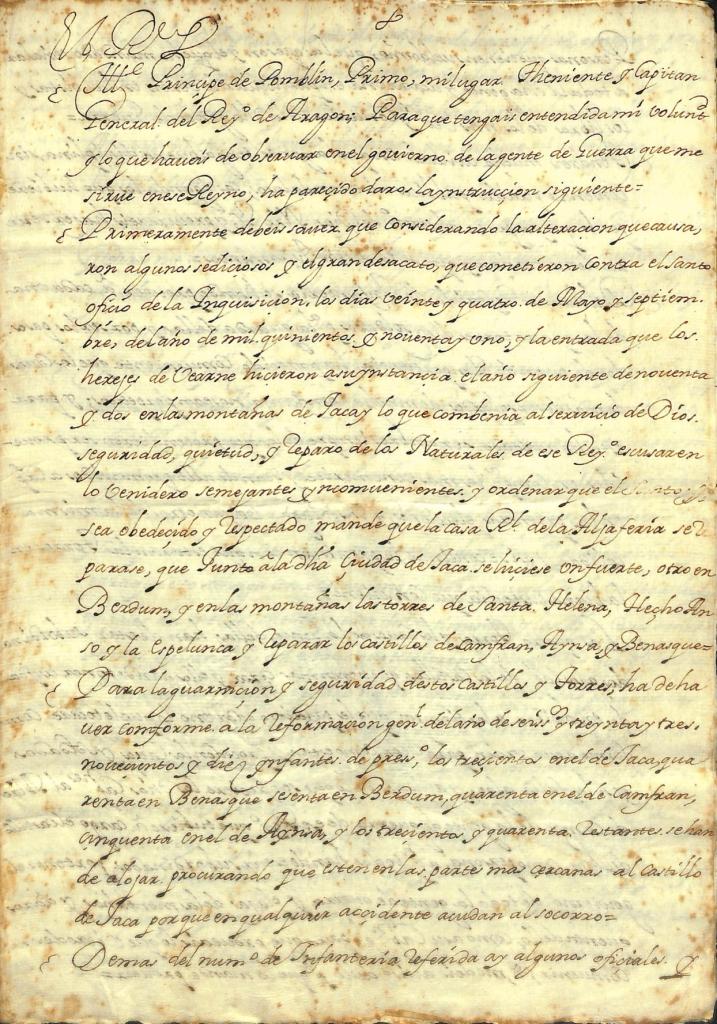
[Page 1] The King, to the Prince of Piombino, Cousin, my Lieutenant and Captain General of the Kingdom of Aragon:

So that you may understand my will and what you are to observe in the governance of the military forces serving me in that Kingdom, it has seemed appropriate to give you the following instruction:

First, you must know that, considering the unrest caused by certain seditious and greatly disrespectful individuals who acted against the Holy Office of the Inquisition on the twenty-fourth of May and September in the year fifteen ninety-one, and the incursion made by the heretics of Béarn into Guipúzcoa the following year, ninety-two, through the mountains of Jaca, it is fitting for the service of God and for the safety, peace, and tranquility of the natives of that Kingdom to prevent such events from recurring, and to do so promptly.

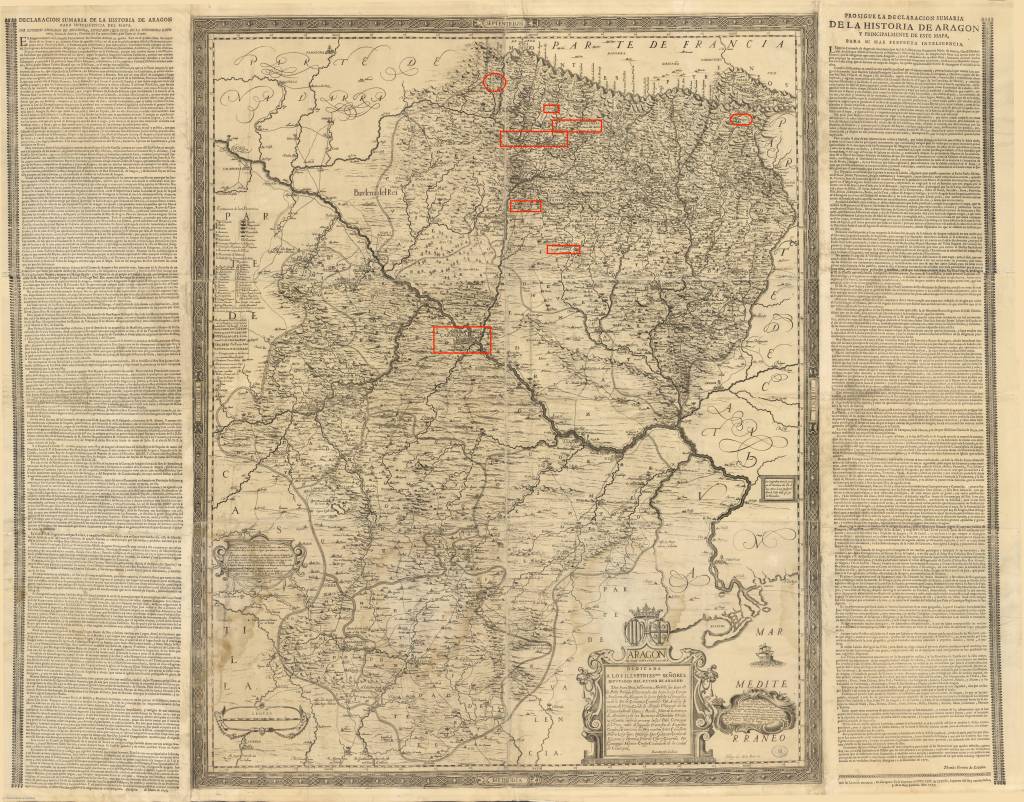
It is ordered that the lieutenant be obeyed and respected. He shall command that the Royal House of the Aljafería be restored, that near the aforementioned city of Jaca a stronghold be built, another in Bescún, and in the mountains the towers of Santa Helena, Hecho, Anso, and La Espelunca; and that the castles of Larrañan, Gorga, and Benasque be repaired.

For the garrisoning and security of these castles and towers, there must be, according to the reform ordered in the year sixteen thirty-three, ninety-six foot soldiers: three hundred in Jaca, forty in Benasque, an unspecified number in Bedram, forty in Campfrán, fifty in Ayerve, and the remaining three hundred forty are to be lodged as close as possible to the castle of Jaca, so they may quickly respond to any incident.

Besides the number of infantry already mentioned, there are also some officers

[2] and individuals on my payroll. The list of who they are and the salaries I have ordered for the entire force and for each individually will be seen in the registers and books of my Overseers and Accountants of the said military force.

You will take great care to ensure that the troops maintain good discipline, not tolerating public or scandalous sins, punishing those that occur for the sake of God’s service and mine. You shall strive to set an example and to discourage the use of oaths.

From the mentioned number of infantry, ten soldiers shall be assigned to guard each of the four towers. As these are important passes, it is deemed appropriate that the positions not be held permanently by the same men. I have decided that among those seeking such posts, the most deserving and reputable shall be appointed and from there promoted to captains in the next elections. Others of equal merit shall replace them, ensuring continued and reliable tower defense.

The four towers and the personnel assigned to them must be subordinate to the captains of the nearest castles. These captains shall be diligent in inspecting the towers at suitable times, each attending to the one assigned to him according to this order, to assess the condition and conduct of the sergeants and soldiers, and to report any deficiencies. These captains shall report to the Field Officer of the military forces in that Kingdom who commands the castle of Jaca, as all must be subordinate to him, given that he governs all the troops and strongholds in the mountains. You shall report to him as their Captain General, so he may act as needed, and inform me of what he provides and what I should further arrange.

[3] All the captains and sergeants of this garrison must swear an oath of fealty in your hands, according to the local fuero (law), if they have not done so at the time of taking their posts. No one is to be instituted as castellan or governor, nor should you address them as such in writing or speech, until this has been fulfilled.

When a captain’s post in any of the aforementioned castles becomes vacant, you shall inform me, and if there are among the garrison any capable and trustworthy officers, you will send me a report on them so I may appoint whomever I deem appropriate.

In all the garrisons, and in each one individually, it is ordered that there be a provision of food supplies, as will be outlined in the inventory provided by the Overseer and Accountant. Since these provisions are perishable and important to preserve, I charge you to ensure they are not touched unless in absolute necessity, and that they be renewed in a timely manner by selling and purchasing others, always with the greatest benefit to my treasury.

To ensure this is done properly, the paymasters and the quartermaster responsible for supplies, as well as the captains and sergeants, shall together inspect the state and condition of the provisions and the convenience of their renewal. Based on what you deem appropriate, you will give the necessary orders. Often, those responsible neglect such matters, and the provisions are consumed or lost. In such garrisons of this Kingdom, that must not occur, and should it happen, it would be a serious fault of the paymasters, supply stewards, captains, and sergeants.

You shall have it clearly stated and notified to them that any loss or damage will incur an irremissible complaint and financial restitution from their own property.

[4] This shall be codified in their regulations, so that in the warehouses — both for equipment and munitions — in the castles and towers, there shall be two keys: one held by the quartermaster, another by the paymasters, and a third by the captain or sergeant of each castle or tower. All three must be present whenever anything is to be removed from or added to the stores.

When it is time to renew the supplies, care must be taken not to exhaust them entirely, but rather to rotate them gradually, ensuring that there is always sufficient provision for any unforeseen event.

It has been observed by experience that renewing the supplies brings financial benefit, since they can be sold at lower prices and new ones can be bought cheaply during harvest season. Therefore, you shall ensure this is done with care, and that the money received from the sales is accounted for separately, so that an annual report may be sent to me detailing the use of those funds, and I may determine how best to proceed.

As for the bread that is generally presumed to be provided to the soldiers, it has seemed better, if it can be avoided, that they buy it themselves, receiving five escudos in coin (at ten reales per escudo) as part of their pay. You will determine in which locations this can be done and where it would be suitable, to keep the troops satisfied, and you will inform me.

It is worth noting that, during a past campaign in Pinos, it was judged that the most appropriate way to provide all the needed bread was for the bishops to order the clergy to give a tenth of their income for that purpose, compensating them at the price commonly valued at harvest, as had been done at that time.

I have ordered that as much money as possible be allocated for the payment of the troops in that Kingdom, [5] and that this funding continue. You shall ensure that the money intended for this purpose is distributed with the greatest benefit to my treasury, while also caring for the wellbeing of the troops, enforcing and ensuring compliance with the orders already given for distribution. The same applies to supplies, in accordance with the instructions of the paymasters and quartermasters. You shall request a copy of those instructions and ensure they are followed.

You shall pay particular attention to ensuring that no natives of that Kingdom are received into the garrisons. Although I have complete confidence in their loyalty, it has been deemed advisable to prohibit their service. The reason is that, when native soldiers are allowed, they often hold additional jobs and are content with half or a third of the standard pay, allowing the captains to retain the rest in exchange for letting them pursue their occupations. If the native commits some misconduct, they claim the protections afforded to soldiers, including those of the Inquisition, and the castles become havens for wrongdoers.

Moreover, the natives fail to serve properly, using the excuse of needing to visit their homes or see their parents and relatives. For this reason, all the kings of Spain have maintained this same rule.

If any captains raise troops in that Kingdom, you shall order that they not recruit any soldiers from existing garrisons, and you shall ensure that this is strictly enforced and that anyone who acts otherwise is punished.

The commissioners who guide any company raised by my order in that Kingdom — whether of locals or not —

[6] shall be subject to strict oversight, and you shall ensure this regulation is obeyed.

When the occasion arises, you shall freely propose suitable individuals so that, from those suggested locally and those presented here, the most suitable candidate may be chosen.It is advisable to avoid soldiers traveling in groups, due to the disorder they tend to cause in towns and along roads. However, if necessity requires it, you shall order that they travel accompanied by a trustworthy officer who will maintain discipline during their journey and throughout its stages. You must also give strict instructions that they neither demand nor take anything in the towns except what is customarily provided: bread, a bed, firewood, salt, and oil. If they act otherwise, you shall punish them.

Captains and sergeants are ordered not to accept or harbor any scandalous or ill-reputed individuals, nor anyone who is outlawed in the Kingdom, even if they are Castilians. You shall ensure this is obeyed and punish anyone who disobeys.

Captains, sergeants, guards, or any other soldiers shall not take or demand anything from merchants or travelers, nor shall they hinder the officers of the land in performing their duties. On the contrary, they shall allow them to perform their functions freely. If anyone acts otherwise, you shall punish him severely.

Likewise, the captains and sergeants of the castles and mountain towers shall not request wheat or any other item from the towns. They must instead notify the authorities in Jaca, who will consult with you so that you may provide what is needed.

To the Field Marshal in Jaca it has been ordered that any instruction he gives to his subordinates in any matter must be written and signed by his own hand, and that all his [7] successors in that position must follow the same practice.

Good harmony and cooperation between the military and the natives of that Kingdom is of great importance for everyone’s peace and well-being. Therefore, it is the duty of captains and sergeants to promote this harmony on their part, and you shall do the same with the local population, ordering whatever you see fit to ensure such cooperation, which is so beneficial to my service. If anyone acts contrary to this, you shall punish him with the severity the case requires, for I understand that there should be no leniency when someone seeks to do what ought not to be done.

There have been past disputes regarding the jurisdiction of the Captain General. After hearing the opinions of my War and Aragon Councils, I ordered a decree to be issued to the Marquis of Aytona, which clarifies the matter [1611 letter of Philip III, reigned 1598-1621]:

The King. To the Marquis of Aytona, Cousin, my Lieutenant and Captain General of the Kingdom of Aragon:

You shall take account and instruction of what I have commanded you regarding the exercise of the captaincy, and particularly observe the following:

You shall have jurisdiction over all crimes committed by the military and over any related civil or criminal causes. You shall impose penalties on those responsible without allowing local civil authorities to interfere, and no one under the Captain General’s command may invoke the legal privilege of manifestación or any other royal immunity, even if married to locals.

Conversely, the civil courts of the Kingdom shall judge the crimes and civil matters of local residents, without interference from military officers.

[8] To prevent jurisdictional disputes from allowing offenders to escape punishment, I command that all royal civil officers may arrest soldiers caught in the act, provided they then hand them over to a competent judge. There must be mutual agreement and cooperation between all officials in these matters, and you shall publish this in places you see fit so that it becomes known.

Regarding the enforcement of this chapter, I have been informed that difficulties have arisen with the Regent and the local magistrates of that Kingdom, due to a Concord made by Cardinal Ascanio Colonna when he held that office — a Concord which he enacted without prior consultation and in contradiction to the orders he had, thereby attempting to judge military personnel and ignoring the instruction he himself had received.

The same issue had occurred earlier, during the time of the Duke of Alburquerque in 1593, when he held this post. After consulting with those who succeeded him, it was claimed that the instruction could not be upheld because, according to the fueros and laws of the Kingdom, the Captain General cannot exercise jurisdiction except in times of war or serious disorder.

It was argued that, even if it is known that individuals belong to the military, in practice it is difficult during peacetime to prosecute crimes or cases over which the Captain General has jurisdiction. Furthermore, the local laws restrict his power to military matters alone, while matters concerning others remain with the civil judges.

After reviewing everything in my War Council, including papers [9] dating back to the Duke’s time, and after further consultation with both my War and Aragon Councils, I have resolved that the disputes must end, and that it be permanently settled what belongs to the Captain General’s jurisdiction. Offenses must be punished, and clarity established about what pertains to the captaincy, all without infringing upon local law, so that justice may be administered without obstruction.

Taking this into account, along with other just considerations related to my service, I have decided that the original instruction be followed — but with the following limitations and clarifications:

Those who are not active soldiers shall not enjoy the privileges and immunities of military personnel, even if they are Castilian or reside in the Kingdom, or appear to be soldiers. To allow this would undermine the legal system and the authority of justice.

Those soldiers who commit excesses must be punished strictly by you, as Captain General, without being able to claim the privilege of manifestación or any other immunity, and you must ensure they cannot falsely use such claims to escape justice.

As for the instruction’s statement that the Captain General is to oversee civil and criminal cases, this must be understood as applying only to civil cases involving military personnel — not to others. Criminal cases are to be governed as already clarified in the instruction.

Thus it is my will and command that you observe and enforce this chapter of the instruction in the manner and with the limitations and clarifications described, without altering or innovating anything, despite the aforementioned Concord that was made without consultation

[10] and, as such, is nullified.

The Count of Aragon has been informed accordingly, so that the necessary orders can be dispatched through that channel. This instruction is to be entered into the registers of the Secretariat and the Council of State.

Given at San Lorenzo, on the fifteenth of October of the year sixteen eleven.

I, The King [i.e., Philip III]

[Secretary] Bartolomé de Aguilar y Amaya

It is my will that everything contained in this decree be strictly kept, fulfilled, and executed, and that you ensure its observance, without exceeding or allowing any deviation from its terms under any circumstance, as this will bring an end to the disputes.

You shall proclaim by public decree in all relevant places that soldiers may not enter orchards or vineyards of the towns where they are stationed, nor take fruit or cut wood or branches from the trees therein. If they do, they must pay the penalty established by the ordinances or customs of each locality. If the local authorities or guards tasked with protecting the vineyards and orchards catch any soldiers therein, they may arrest them and safely deliver them to their captain or to a competent judge so that justice may be administered in accordance with the local ordinances or customs. This measure is to prevent the problems that would otherwise arise.

To administer justice among the troops stationed in Saca and other mountainous areas, it has seemed best not to send an auditor or any other official from Castile. Rather, you shall select one of the local lawyers from that city whom you deem most suitable to serve in place of the Field Marshal, and he shall be given a salary [11] of four escudos per month. Regarding the troops stationed in the rear, you may rely on certain local magistrates residing in that city.

In providing firewood and oil for the guardhouses, you shall uphold the regulation left by the Count of Puño en Jefe, which is recorded in the payroll books. The amount of thirty-seven and a half escudos required monthly for this purpose shall be paid from the leftover funds or reductions found in the army’s payrolls.

It is also my will that none of the captains or sergeants grant permission to any soldier or other person to leave the Kingdom without prior order or notice from me. You must ensure this is understood and enforced.

In Iaca, a hospital has been established (as you will see from the report given by the officers). You shall order that for the care and comfort of sick soldiers from the mountains, the customary monthly alms of each soldier be applied to the hospital. Additionally, all funds left unclaimed by soldiers who were absent without leave (which identifies them as such) shall be used to support the hospital. The funds thus raised shall be kept by the army paymaster in a separate account and shall be disbursed in major sums by a warrant from the Field Marshal or his substitute, with agreement from the army’s payroll accountant. Day-to-day distribution shall be handled by the person serving as hospital administrator.

One of the reasons it has been necessary to close off the mountain passes is to prevent the excessive movement of horses to France. Captains of the castles and sergeants of the border posts

[12] are strictly forbidden to allow any horses to pass without an express written license signed by my hand. They must remain extremely vigilant so that no horses cross undetected. If they do permit it, they shall be severely punished.

Even if the persons involved seem trustworthy, it is possible they may conspire with the French or their local agents to smuggle horses. Some may even attempt to bribe bishops, captains, or sergeants into allowing the passage or at least turning a blind eye. You must warn them that any such tolerance or feigned ignorance will result in harsh punishment. It is absolutely certain that if they act as they ought, no horse can pass without their knowledge, and the graver the breach, the greater their responsibility, given the trust placed in them.

To monitor their conduct, you shall recruit Christian men, zealous for the service of God and myself, who can observe these actions in secrecy and report back. Should any captains or sergeants fail in their duty, you shall punish them and inform me of the punishment and of their offenses. Although it is true that in some places where troops are stationed, it is customary to have butchers, bakeries, and taverns for their provisioning, it has seemed appropriate — for good reason — that in this Kingdom they be allowed only in Zaragoza and in places where such provisions are convenient. In these cases, the townspeople shall be required to set up separate stalls for meat, bread, and taverns exclusively for soldiers, [13] and at the same prices as those charged to the local inhabitants. This separation will prevent the mingling of soldiers with the townspeople and thereby reduce the likelihood of confrontations or disturbances.

Therefore, I charge you to enforce this order, and furthermore, no captain, officer, or soldier shall travel to Zaragoza or any other place with provisions for their personal use without first obtaining permission from the local jurados (magistrates), just as local inhabitants must do.

If some towns cannot, like Zaragoza, provide bread, wine, and meat for the soldiers, then it will be necessary to establish separate bakeries inside the castles — not outside. These shall not be for the profit or benefit of the captains in charge, and they must not allow bread, wine, or meat to be sold to local townspeople from these military facilities.

Anyone violating this shall be punished. Similarly, the town officials may punish local civilians who purchase food from the soldiers’ bakeries, taverns, and butcheries, according to local statutes. Captains must not allow anyone to defend such violations.

In those places where the military does have butcheries, the Council of Aragon orders that the livestock used for meat may graze in the common pastures used by the townspeople.

You shall publicly proclaim that all soldiers remaining in that Kingdom — except those who are married or enlisted in permanent garrisons — must leave for the front lines within a designated timeframe.

[14] If they do not, they may be arrested and punished by local magistrates as vagabonds.

It is my will that, regarding artillery, weapons, ammunition, and other war supplies currently held — and to be held — by the artillery office and munition houses of that Kingdom for whatever purposes may arise, including payment of wages to artillerymen and others serving or to serve under that branch, such expenses shall be accounted for under its ministry and paid from the funds I allocate.

In addition to expenses for repairs, purchases, licenses, and replacements of artillerymen and other officers, and for managing abuses and transgressions, you shall observe the order already in place in Castile, Navarre, and the Principality of Catalonia, which is outlined in the report kept in the books of my Overseer and the Accountant for the military in that Kingdom. This includes artillery in castles and fortresses where foreign troops are garrisoned.

Prior notice must be given to my Captain General of Artillery or his lieutenant acting in my name. These officers shall be under the command of the castellans and sergeants, and shall enforce the orders given to them. The fortresses under their care shall comply with those directives. You shall ensure this is fulfilled, and the lieutenant of my Captain General of Artillery in that Kingdom shall do likewise.

Finally, I charge and command you to pay particular attention and diligence to the execution of everything contained in this instruction, as I trust in your zeal and obligation to my service. Maintain good harmony with the judicial authorities

[15] of that Kingdom, so that all necessary provisions and decisions may be handled with better order and agreement.

To ensure that the content of this instruction is preserved and fulfilled as it is written, I command my Overseers and the Accountant of the said military force to transcribe it into the official books of my office.

Given in Madrid, on the 24th of August, the year sixteen sixty.

I, The King [i.e., Philip IV]

[Secretary of State] Gregorio de Tapia

Elif Cam is a rising senior at Princeton High School participating in the internship program at the Archivio Digitale Boncompagni Ludovisi. She is interested in environmental policy, history, and composing music. She is extremely grateful for the guidance of Dr. T. Corey Brennan, for getting the opportunity to work with fascinating and previously unpublished sources in the archive generously shared by HSH Princess Rita Boncompagni Ludovisi, and for being able to get to know King Philip IV and Niccolò Ludovisi over this journey!